
ShopKind for a Cause: One Extension, Many Causes
ShopKind for a Cause is a free browser extension that turns everyday online shopping into support for local causes, no extra cost, no extra effort.
Read more
Operator Insights
AI can accelerate output, but it is not self-managing. Businesses get the best results when they pair AI with human oversight, cost awareness, and strong system design.

AI is powerful. That part is real. It can accelerate writing, analysis, software delivery, automation, and decision support in ways that felt unrealistic not long ago. But there is a difference between a powerful tool and a self-managing system, and a lot of businesses are learning that difference the hard way.
The companies getting the best results from AI are not the ones that handed it the wheel and walked away. They are the ones that kept a human in the driver's seat, set clear boundaries, and treated AI as an amplifier rather than a replacement for judgment.
A lot of the current AI sales pitch sounds almost magical. Plug it in, describe what you want, and let it handle the work. That promise is appealing because it contains some truth. AI really can do a surprising amount. The trouble starts when businesses confuse speed with autonomy.
There is a gap between saying AI can do a lot and saying AI can safely run itself inside a business process. That gap is where hidden costs, fragile workflows, and preventable mistakes show up.
One of the easiest mistakes to make with AI automation is assuming that a workflow that works technically will also keep working economically. That is not always true. A system may perform exactly as designed and still become inefficient overnight if pricing changes, token usage scales, or context handling is not disciplined.
That kind of situation does not mean AI failed. It means the system around it was not designed with enough operational awareness. Cost guardrails, prompt efficiency, architecture choices, and budget controls matter just as much as raw model capability.
AI can generate code, summarize data, draft content, and automate workflows. What it does not do is assume responsibility for the consequences. That is still human work. In practice, the most important decisions have simply moved up a level.
This is why programming is not disappearing so much as shifting. The work is moving upward from manual production into judgment, structure, validation, and governance.
If your business is actively exploring AI adoption, there are a few questions that are worth answering before a workflow goes live. They are not complicated, but they are the difference between thoughtful implementation and expensive improvisation.
The strongest AI adopters are not the ones treating it like a magic replacement for technical leadership. They are the ones using it to extend capable teams, improve throughput, reduce repetitive work, and create new leverage without giving up control.
That is not a pessimistic view of AI. It is a mature one. AI is good. It is also new, fast-moving, and imperfect. The interesting work is not in pretending those limits do not exist. It is in building systems that account for them well.
At IJT, this is exactly the kind of work we care about, building AI-assisted workflows that are practical, cost-aware, and designed to keep delivering value over time. The goal is not just to automate for the sake of it. The goal is to automate responsibly, with enough structure around the system that it remains useful after the novelty wears off.
If your business is thinking seriously about AI adoption, the real opportunity is not just what AI can do on day one. It is how well the system holds up when usage grows, costs shift, and real business dependence sets in.
If you are thinking through what AI adoption actually looks like for your business, let's have a conversation.
ShopKind for a Cause is a free browser extension that turns everyday online shopping into support for local causes, no extra cost, no extra effort.
Read more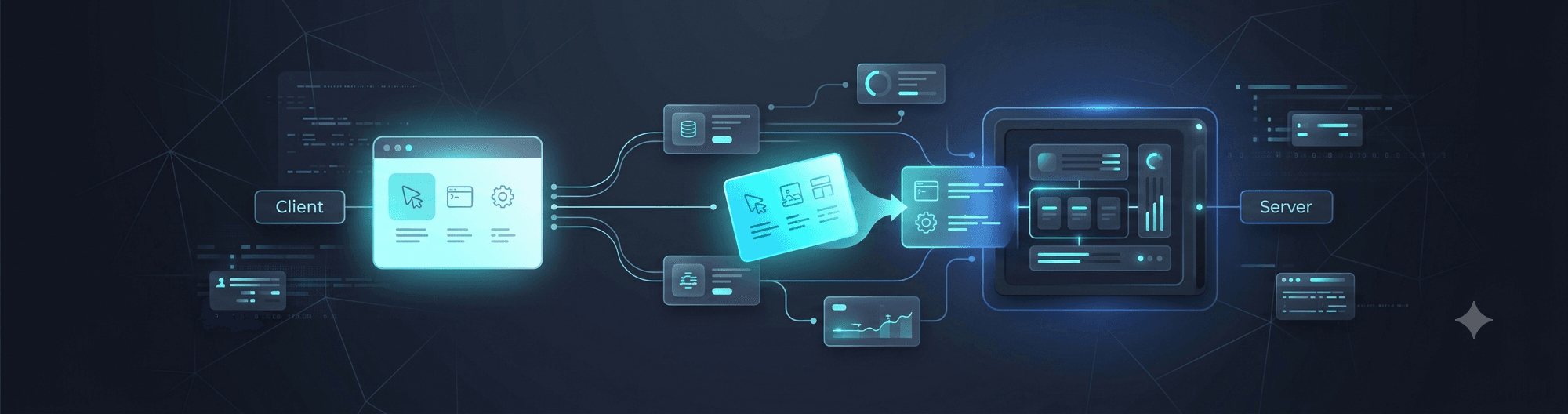
MCP vs API, explained without the jargon: how AI tools discover what they can do at runtime instead of relying on hardcoded developer logic, and why that matters for businesses adding AI to their workflows.
Read more